Popular Articles
 Stacks
03.10.2026
Stacks
03.10.2026
Automation Stack: Trigger, Logic and Data Layers
Automation can feel like a black box until you break it into the parts that actually make it run. This article explains automation systems through three simple layers—triggers, logic, and data—so you can see how a workflow is assembled and where it can go wrong. It’s written for people managing health-related automations, patient messaging, scheduling, or device-connected processes who need reliability, not surprises. You’ll learn what each layer is responsible for, the most common failure points (and how they show up in real life), plus safe ways to test and roll out changes. Along the way, you’ll get practical design patterns, pitfalls to avoid, and decision checklists to help you build or evaluate automations with confidence instead of guesswork.
 Stacks
27.09.2026
Stacks
27.09.2026
AI Stack: API Costs vs Subscription Plans
AI tools can be billed in very different ways, and the pricing can get confusing fast—especially when you’re choosing between pay‑per‑API usage and a flat subscription. This article breaks down how AI stack pricing typically works for chat, embeddings, and image generation, so teams and savvy buyers can estimate realistic monthly spend and avoid surprises. We’ll cover how to model usage, interpret pricing pages and unit metrics, and compare common billing pitfalls like rate limits, minimums, and overage fees. You’ll also get practical guardrails to keep costs aligned with real workloads as usage grows.
 Stacks
21.09.2026
Stacks
21.09.2026
Self-Hosted vs SaaS Stack: Total Cost at 2026 Prices
This article explains how to estimate the total cost of a self-hosted software stack versus a SaaS stack using 2026-style pricing assumptions. It’s for teams and informed buyers who need predictable budgets, audit trails, and reliable uptime. You’ll learn which cost drivers matter (compute, storage, support, security, compliance, and migration), how to model them with realistic ranges, and what hidden dependencies to check before signing contracts.
 Stacks
15.09.2026
Stacks
15.09.2026
Tool Overlap: How to Find Duplicate SaaS Features
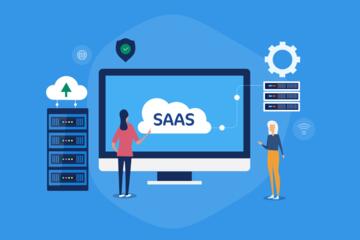
Tool overlap happens when multiple SaaS apps cover the same job: onboarding forms, ticket routing, analytics dashboards, or identity checks. This article is for teams that manage software sprawl and want clearer decisions without breaking workflows. You’ll learn how to map features to outcomes, detect duplicates using data and permissions, and run safe consolidation trials. Practical examples show how to document overlap, measure impact, and avoid hidden dependencies.
 Stacks
09.09.2026
Stacks
09.09.2026
SaaS Stack Cost: Calculate the Real Monthly Total
SaaS stack cost affects budgets, hiring plans, and compliance timelines for teams that use multiple cloud tools. This guide helps health-focused readers estimate the real monthly total by mapping seats, usage, storage, support, and security add-ons. You will learn how pricing models work, which line items get missed, how to build a month-by-month cost view, and how to sanity-check vendor quotes before signing.
 Stacks
03.09.2026
Stacks
03.09.2026
Single Source of Truth: Where Should Data Live?
Data often spreads across apps, spreadsheets, and databases, which makes health decisions harder to trust. This article explains what a “single source of truth” means for health-related data, where data should live across teams and systems, and how to design ownership, access, and audit trails. Readers will learn practical patterns, common failure modes, and a checklist for choosing a data home that supports accurate reporting and safer workflows.
 Stacks
28.08.2026
Stacks
28.08.2026
API-First Stack: How to Reduce Duplicate Data Entry
Duplicate data entry slows teams, creates inconsistent records, and increases compliance risk when health data moves across systems. This guide explains how an API-first stack reduces repeated typing by treating data as a shared resource, not a copy. It’s for product owners, developers, and operations staff who manage EHR-adjacent workflows. You’ll learn common failure modes, practical design patterns, realistic outcomes, and a checklist to audit your current setup.
 Stacks
22.08.2026
Stacks
22.08.2026
SaaS Stack Sprawl: How Many Tools Are Too Many?
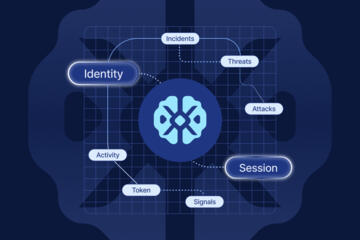
SaaS stack sprawl happens when teams add more cloud tools than they can govern. This article helps health-focused readers and operators understand why tool sprawl breaks reporting, access control, and audit trails. You’ll learn how to spot dependency chains, measure operational drag, and set practical limits using data retention, identity, and integration checks. Includes realistic scenarios, a decision checklist, and common mistakes to avoid when consolidating SaaS.
 Stacks
16.08.2026
Stacks
16.08.2026
An Agency's Project and Client Stack
This guide explains how a service agency chooses a project stack and a client stack for health-related work. It helps readers understand what sits behind deliverables, why data handling and integrations matter, and how to evaluate claims during onboarding. You’ll learn common failure points, practical questions to ask, example scenarios, and a checklist for comparing proposals—so you can judge fit, risk, and maintainability without relying on marketing language.
 Stacks
10.08.2026
Stacks
10.08.2026
The Ultimate Productivity Stack for Deep Work
Deep work productivity for people who write, analyze, design, or study: a practical stack of tools, routines, and rules that reduce context switching and protect attention. This matters when deadlines collide with meetings, messaging, and browser tabs. You’ll learn how to set up a focus environment, choose capture and task systems, schedule deep sessions, and measure whether the stack actually improves output without burning you out.